You've decided to take up wing foiling. Great choice. Now comes the part that stumps everyone: figuring out what to buy without breaking the bank and ending up with unsuitable gear. We've all been there. This article is designed to help you avoid the most common mistakes.
Logic first: start big
The golden rule for beginners is simple: the bigger and more stable the equipment, the better. Your ego will want to get pro gear, but your brain should convince you to go for the entry-level version. Trust your brain.
Beginner equipment is slower and less responsive — and that's exactly what you need to learn without falling every three seconds.
The board: volume is the key word
To start with, you want a board with plenty of volume — say between 90 and 120 litres, depending on your weight. A 100L board for a 75kg person is a great starting point. Wing foil boards have a flat shape with a little concavity and a mast box in the centre. Avoid boards that are too short or narrow — they look cool, but you won't be able to stand on them while handling the wing. Many brands offer complete packs (board + foil + wing) designed for beginners. They are not always the cheapest, but they are calibrated to work well together.
The foil: start with a large front wing
The foil is the most technical component and also the most expensive. For beginners, the size of the front wing is particularly important – the larger it is, the sooner you will get up and the more stable you will be in flight.
Front wing 1500-2000 cm² for beginners: you'll get up quickly, it's stable and forgives mistakes. 60-75 cm mast: high enough not to touch the bottom, low enough not to scare you.>Material: Aluminium is fine for beginners (less expensive), carbon is lighter but not a priority.
Reliable brands in this price range: Naish, Axis. They all have well-built entry-level lines.
The wing: size depends on the wind
Wings are measured in square metres, like kitesurf sails. For beginners, a versatile size is between 4 and 5 m², which covers most medium wind conditions (15-25 knots).
What to look for in a beginner's wing:
Transparent windows: so you can see where you are going and what is around you.
Well-positioned rigid handles: you will be holding them for hours, so they need to be comfortable.
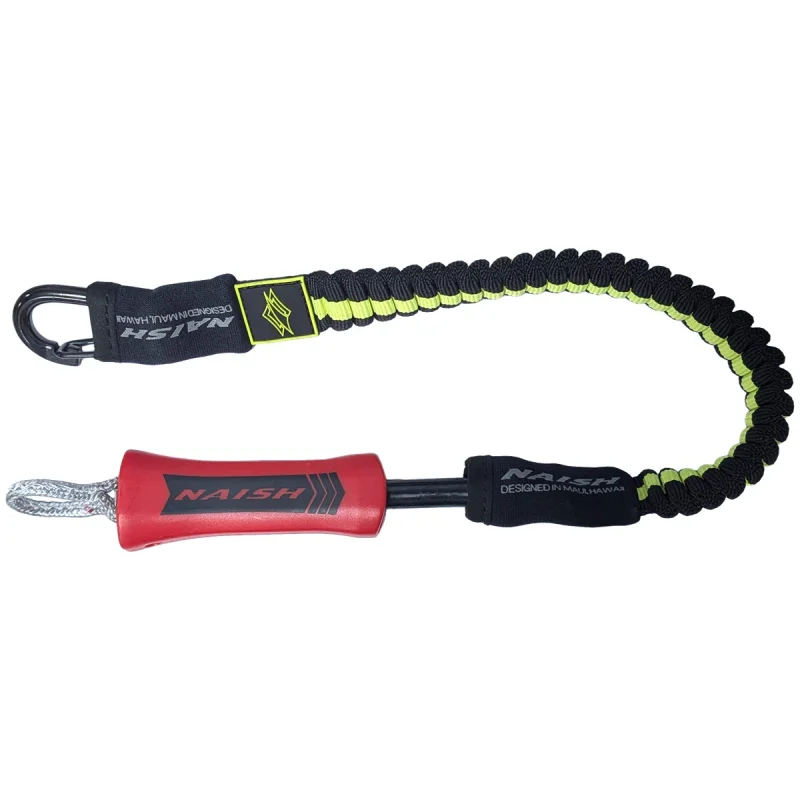
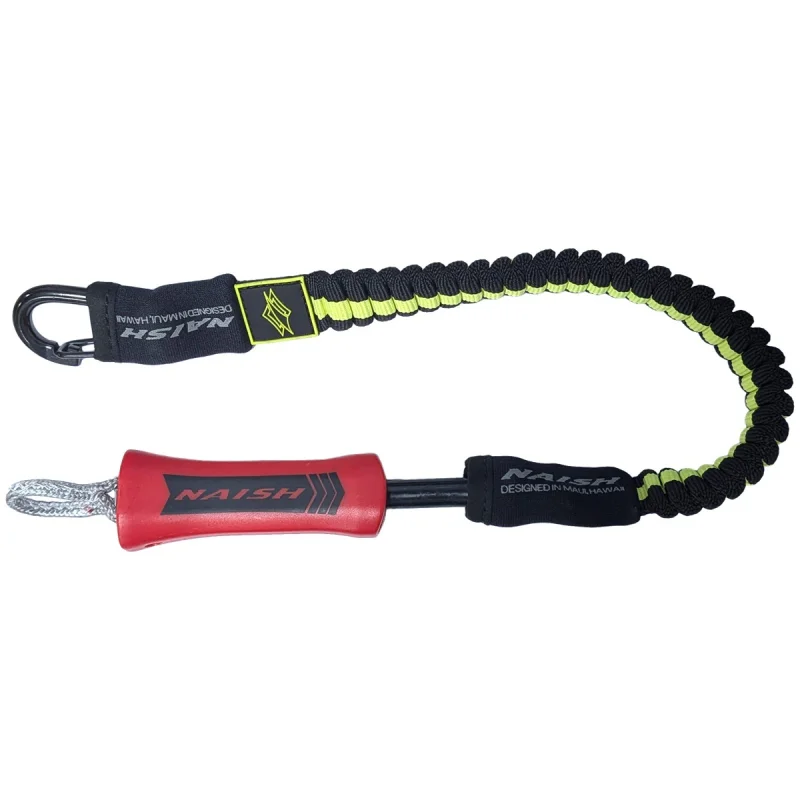
Quick inflation: rigid tubular with few valves. Stable structure with little flutter: cheap wings tend to vibrate a lot in strong winds, which is tiring on the hands. An entry-level quality wing costs between £350 and £600. Below that threshold, you start to make significant compromises. The leash: don't skip it The wing leash (which connects the wing to your wrist) and the board leash (to your ankle or waist) are safety equipment that should never be underestimated. Without a leash, a gust of wind will carry your board away and you will have to swim to shore to retrieve it... This is a potentially dangerous situation.
What to avoid at all costs
Equipment that is too old: wing foiling is evolving rapidly, more so than any other water sport. Equipment from 3-4 years ago may have outdated geometry, spare parts that are impossible to find, and performance that no longer reflects what the market offers today. Used equipment is fine, but choose recent models.
Sizes that are too small to look cool: we all do it at first, there's no point denying it. But a small board and an aggressive foil when you don't have the basics down yet will make you fall twice as often and learn half as much. The sooner you master the right equipment for your level, the sooner you can downsize with real satisfaction.
Low-cost packs from unknown brands: with wing foils, extreme savings cost you twice: once when you buy equipment that doesn't perform, and again when you try to resell it and can't.
It's better to spend a little more on established brands or buy quality second-hand equipment.
Approximate budget to get started
A decent setup for beginners – board, entry-level foil, wing and basic accessories – costs between £1,500 and £2,500 new.
Good quality used equipment from reliable riders can cost as little as £900-£1,300. If you're not sure you want to invest straight away, many schools and some specialist shops offer rental options or lessons with equipment included. This is a great way to see if it's right for you before you spend any money.
If you have any doubts, ask us for advice!!!