You know that feeling when you catch the perfect wave and for a few seconds you feel like you're flying? Wing foiling is exactly that — but in the middle of the open sea, without waves, with the wind pushing you and a board that literally lifts you above the water. If you've seen it and wondered, 'What on earth is that?', you've come to the right place. We'll explain everything from the beginning, without any fuss.
But what exactly is it?
Wing foiling is a combination of three disciplines: windsurfing (for the wind), kitesurfing (for lightness) and foiling (for flying). The result is a completely new sport that has taken beaches around the world by storm in recent years. Basically, you stand on a board with a foil underneath (a fin that generates lift like an aeroplane wing), and you hold a 'wing' in your hand — an inflatable wing that harnesses the wind.
As your speed increases, the board lifts off the water and you begin to glide through the air, just a few centimetres above the surface. The feeling? It's impossible to describe completely. Those who try it say it's like surfing the wind.
The 3 components of wing foiling
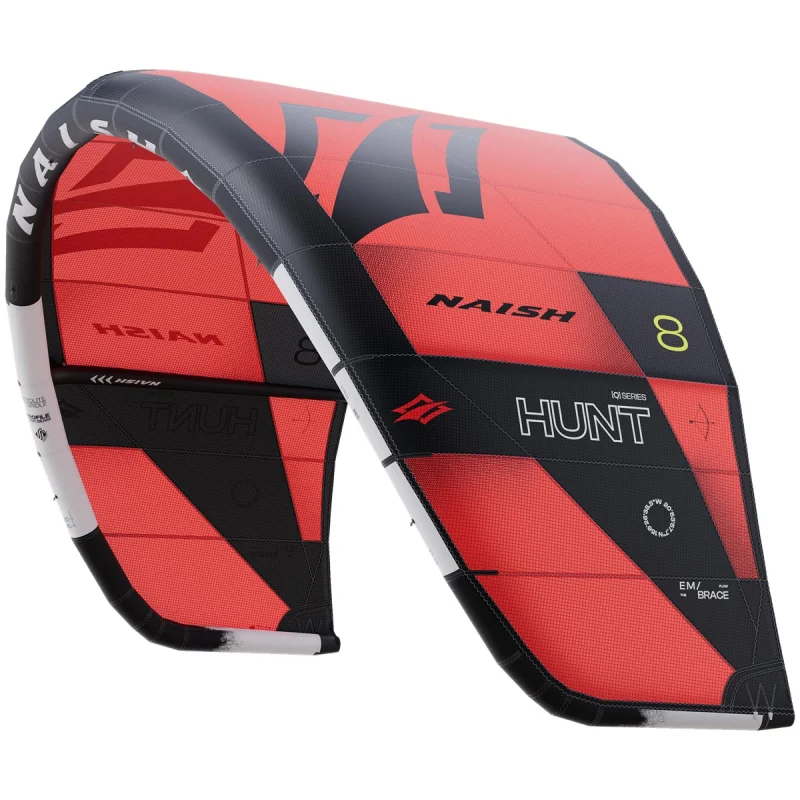
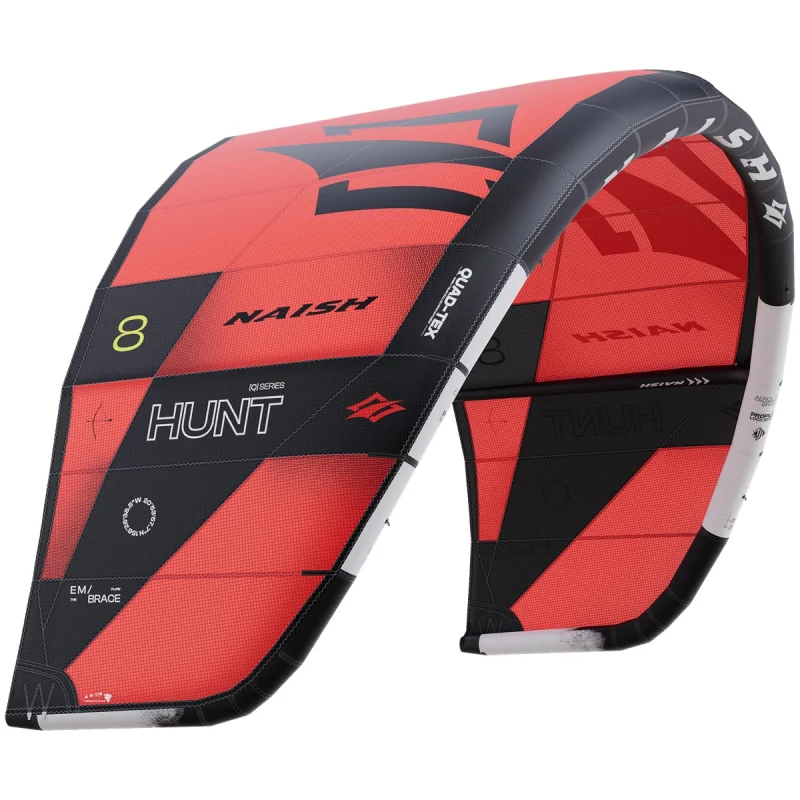
The wing: the inflatable wing that you hold in your hand. It catches the wind and gives you propulsion. There are different sizes - larger for light winds, smaller for strong winds.
The board: usually wide and stable, designed to make it easy to get the foil going. Over time, smaller boards are used.
The foil: the magic part. It consists of a mast (the vertical pole), a fuselage and two wings (front wing and stabiliser). It generates the lift that makes you fly.
Why has it become so popular? Until a few years ago, wing foiling was something only professionals with large budgets could do. Today, technology has improved, prices have fallen, and entry-level equipment is much more affordable and easy to use. What's more, wing foiling works in light winds (10-12 knots is enough to start planing) and does not require waves: a lake, a bay or any body of water with a little wind is all you need. Compared to kitesurfing, it is much more compact and safer to handle. You don't have 20-metre-long lines — you hold the wing in your hand and can let go of it at any time. Compared to windsurfing, it is lighter and more intuitive to manoeuvre.
Is it difficult to learn?
More or less like any water sport with a 'flying' component. The initial learning curve is steep: balancing on the board with the wing in your hand for the first few metres is not that easy. But once your body understands the mechanics, progress comes quickly. Most people manage to make their first glides in 2-3 sessions. Turning and lifting off the water cleanly takes a few weeks of consistent practice. The secret? Start with beginner-friendly equipment (large board, medium-sized wing) and do your first sessions in shallow water with a sandy bottom. Who can do it? Virtually anyone who has a minimum of familiarity with water sports. It is not necessary to have surfed or kite surfed before, although a background in these sports helps a lot with wind management and balance. Age is not a limitation: there are 14-year-olds and 60-year-olds who practise it with great satisfaction.
However, you do need to be in good physical shape and, of course, know how to swim. If you come from a surfing or SUP background, you will already have the basics of balance on a board. If you come from a kitesurfing or windsurfing background, you already know how to read the wind. In both cases, you have an advantage — but you can also learn from scratch.
Ready to give it a go?
Our advice is always the same: before buying anything, take an introductory lesson with a certified instructor. This will allow you to see if the sport is right for you without investing hundreds of pounds in equipment. In the next few articles, we'll talk about how to choose the right equipment to get started and how to improve your intermediate sessions.